

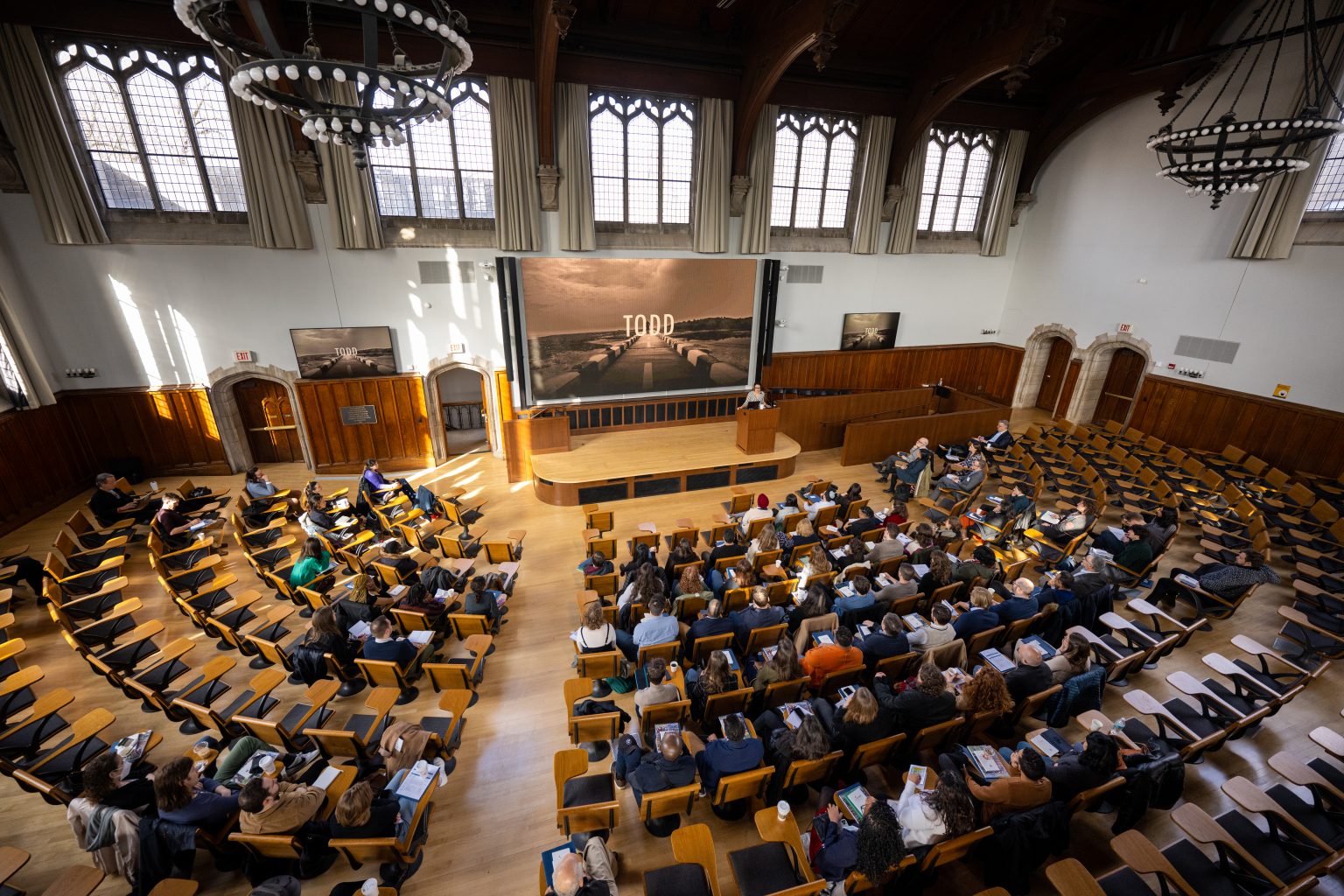
2026 FASPE Alumni Reunion Conference Sessions
March 13-15
Princeton University Campus
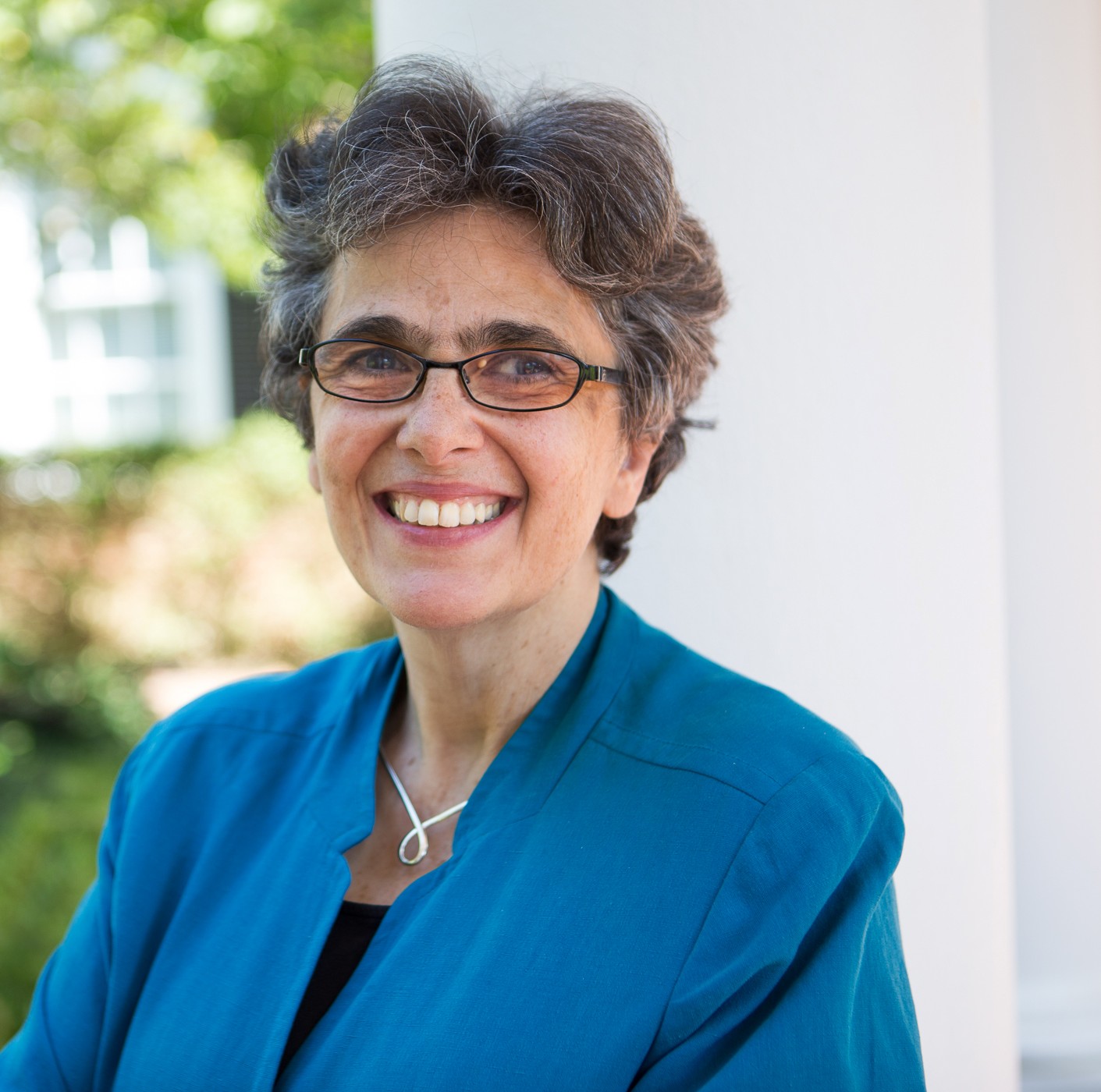
Mary C. Gentile, PhD
Creator and Director
Giving Voice to Values
FASPE Business Faculty
Mary C. Gentile, PhD, is Creator and Director of Giving Voice to Values (www.GivingVoiceToValues.org ), launched with The Aspen Institute and Yale School of Management and hosted at Babson College for six years, now based at UVA-Darden. This pioneering curriculum for values-driven leadership has been piloted and/or presented in over 1,530 sites globally and has been featured in Financial Times, Harvard Business Review, Stanford Social Innovation Review, McKinsey Quarterly, etc. Gentile is a consultant, speaker and author on GVV. She was formerly the Richard M. Waitzer Bicentennial Professor of Ethics at UVA Darden (2016-2022) and was previously at Harvard Business School(1985-95) and Babson College (2009—2015). She holds a B.A. from The College of William and Mary and Ph.D. from State University of New York-Buffalo.

Mary L. Gray
Senior Principal Researcher
Microsoft;
Faculty Associate
Harvard University's Berkman Klein Center for Internet and Society
FASPE Design & Technology Faculty
Mary L. Gray is Senior Principal Researcher at Microsoft Research and Faculty Associate at Harvard University’s Berkman Klein Center for Internet and Society. She maintains a faculty position in the Luddy School of Informatics, Computing, and Engineering with affiliations in Anthropology and Gender Studies at Indiana University. Mary, an anthropologist and media scholar by training, focuses on how people’s everyday uses of technologies transform labor, identity, and human rights. Mary earned her PhD in Communication from the University of California at San Diego in 2004, under the direction of Susan Leigh Star. In 2020, Mary was named a MacArthur Fellow for her contributions to anthropology and the study of technology, digital economies, and society.
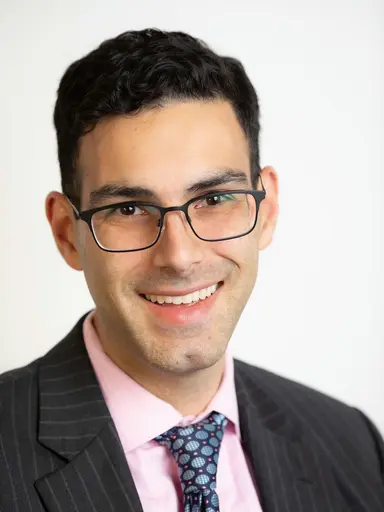
Sam Gill
President and CEO
Doris Duke Foundation
Samsher (Sam) Singh Gill is the third president and CEO of the Doris Duke Foundation (DDF). Prior to joining DDF in April 2021, Gill was senior vice president and chief program officer at the John S. and James L. Knight Foundation, where he oversaw more than $100 million in annual grantmaking across the foundation’s programs, in addition to managing Knight’s research and assessment portfolio and its grants administration function. Previously, he also served as vice president of Freedman Consulting, LLC. He attended the University of Chicago and the University of Oxford, where he was a Rhodes Scholar.
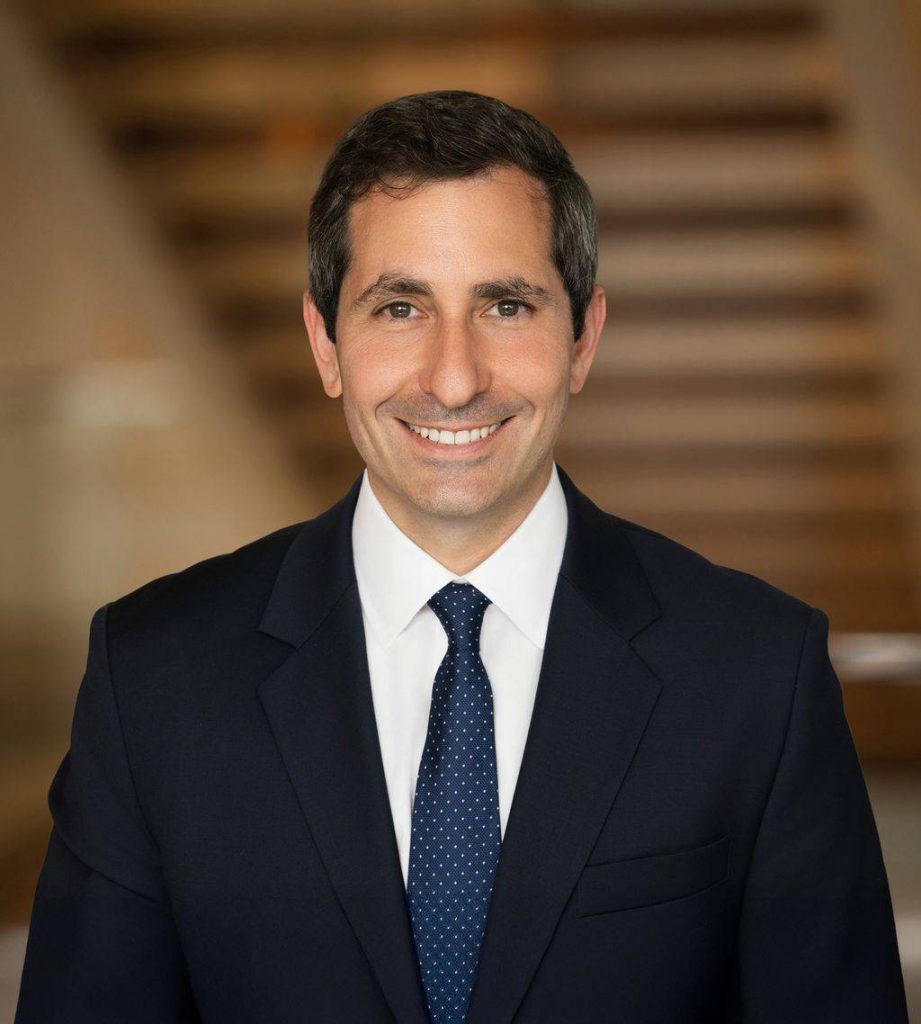
Matthew B. Klapper
Partner
Jenner & Block
Matthew B. Klapper brings nearly two decades of high-level government leadership experience, including in the seniormost ranks of the United States Department of Justice and on Capitol Hill, to his work as Co-Chair of both the Congressional Investigations Practice and Global Crisis Management and Strategic Risk Practice. Matt guides clients through high-stakes and complex crisis situations that span civil, criminal, and regulatory exposure, including congressional investigations, DOJ enforcement actions, and multi-agency and multi-jurisdictional investigations.
Matt applies his strategic judgment, extensive crisis management experience, ability to harmonize legal and communications imperatives, robust understanding of the workings of the legislative and executive branches, and his broad bipartisan network to help companies, boards, and executives manage complex challenges. He counsels clients on identifying and mitigating risk, preparing for public testimony, and navigating high-profile, often media-intensive investigations and litigation.

Betsy Levy Paluck
Eugene Higgins Professor of Psychology
and Public Affairs
Princeton University
Two basic ideas motivate Betsy Levy Paluck's research. The first idea is that social psychological theory offers potentially useful tools for changing society in constructive ways. The second idea is that studying attempts to change society is one of the most fruitful ways to develop and assess social psychological theory. Much of her work has focused on prejudice and intergroup conflict reduction, using large-scale field experiments to test theoretically driven interventions.
Through field experiments in Central and Horn of Africa and in the United States, she has examined the impact of mass media and interpersonal communication on tolerant and cooperative behaviors. She finds support for a behavioral change model based on social norms and group influence. To change behavior, she suggests, it may be more fruitful to target citizens' perceptions of typical or desirable behaviors (i.e. social norms) than their knowledge or beliefs. How do social norms and behaviors shift in real-world settings? Some suggestions from her research include peer or role model endorsement, narrative communication, and group discussion. Her work in post-conflict countries has led to related research on political cultural change and on civic education. She is also interested in social scientific methodology—particularly causal inference and behavioral measurement.
With thanks to our partner