

2026 Medical Fellows
| Business Fellows | Clergy Fellows | Design & Technology Fellows | Journalism Fellows | Law Fellows |
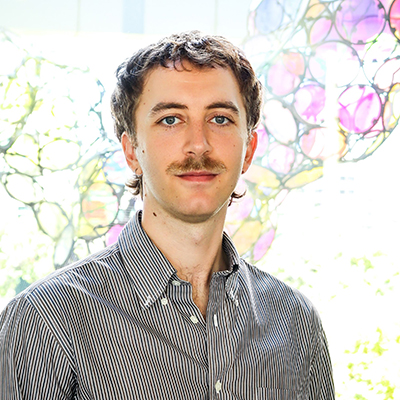
Adam Crow is a medical student at the University of California, Davis. Originally from Appalachia, he studied philosophy at Stanford University and subsequently lived in Mendocino County, California, where he was involved in sustainable agriculture. He is interested in the application of humanism to the culture of medicine. He will be applying to urology residency in 2026.
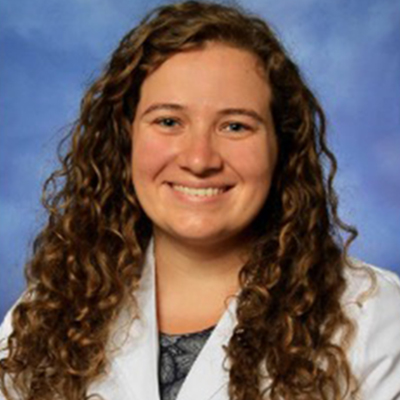
Dr. Margaret (Maggie) Desmond grew up in Pepperell, Massachusetts and has always had a passion for understanding people and communities. After earning degrees in anthropology, philosophy, and ethics, she traveled extensively before committing to medicine. Dr. Desmond completed medical school at Loyola University Chicago and found her calling in full-scope family medicine at Full Circle Health in Boise. She is dedicated to providing compassionate care with a focus on serving rural communities. Her interests include integrative medicine, osteopathic manipulative medicine, wilderness medicine, and global health.
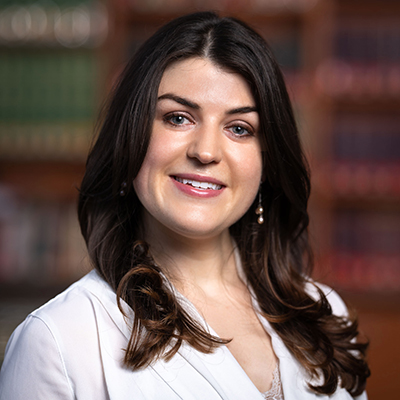
Dr. Bethany M. Erb is an active-duty Air Force ophthalmic surgery resident at the San Antonio Uniformed Services Health Education Consortium. A graduate of the University of Wisconsin-Madison School of Medicine & Public Health with Alpha Omega Alpha honors, she earned dual distinctions in Bioethics and Research and served as the Medical Student Ethics Committee Chair. As a 2023–2024 American Medical Association Journal of Ethics Editorial Fellow, she directed scholarship on the ethics of nonhuman animal-based research. Her current work examines the moral dimensions of inter-provider communication and professional virtue in medicine.
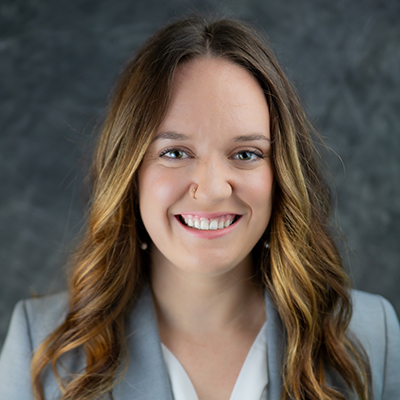
Dr. Jordan Hildenbrand is a resident physician in the combined Internal Medicine and Psychiatry program at Emory University School of Medicine. She earned her MD from Duke University School of Medicine, where she also completed a fellowship in Theology, Medicine, and Culture. Her professional interests include palliative care, clinical ethics, and the integration of medical and psychiatric treatment for patients with serious medical and mental illness. Jordan is passionate about medical education, interdisciplinary collaboration, and compassionate, justice-oriented care for vulnerable populations.
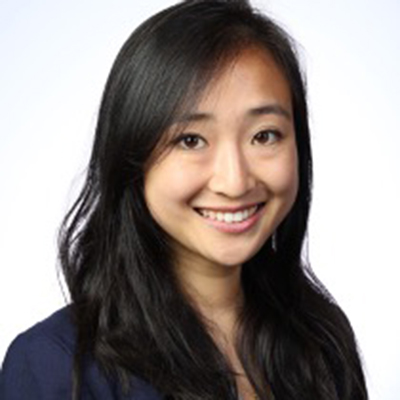
Joy Jiang is a current seventh year MD/PhD student at the Icahn School of Medicine at Mount Sinai in New York City. She was awarded her PhD in Artificial Intelligence and Emerging Technologies in 2025. She hopes to become a physician-scientist in cardiovascular disease and data-driven risk prediction, ensuring that technological innovations are developed and implemented with rigorous ethical oversight. Before matriculating to medical school, Joy graduated magna cum laude from Brown University.
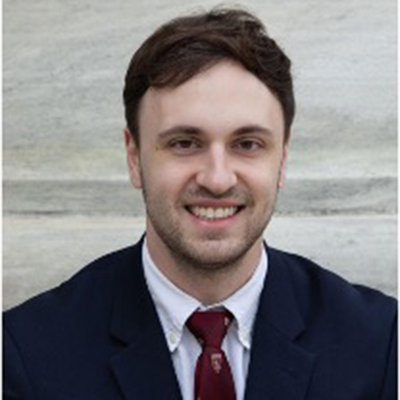
Parker Kotlarz is an MD candidate at Harvard Medical School and neuromodulation researcher at Mass General Brigham and the Martinos Center for Biomedical Imaging. He graduated summa cum laude in biomedical engineering from the University of Florida, where his thesis pioneered connectomic applications of percolation theory in Alzheimer’s disease. His work spans transcranial magnetic stimulation, focused ultrasound, and functional MRI, with first‑author publications in Network Neuroscience and coauthored articles in Brain Stimulation and Imaging Neuroscience. Parker has been honored as a Tau Beta Pi Fellow, UF College of Engineering Commencement Speaker, and IEEE‑USA Excellence in Engineering Award recipient.
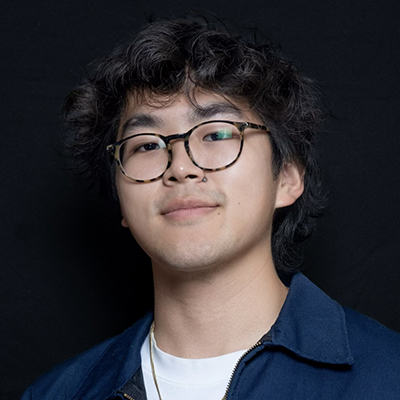
Jordan Liu is a third-year medical student at Columbia University's Vagelos College of Physicians and Surgeons, where he serves as an elected Ethics Representative and Fellow at the Center for Clinical Medical Ethics. He earned his B.A. in Biochemistry and Health Policy from the University of Pennsylvania, minoring in Bioethics. At Penn, Jordan co-founded the Shelter Health Outreach Program, an ethics-driven nonprofit delivering primary care across Philadelphia's homeless shelters. Having worked for Médecins Sans Frontières (Doctors Without Borders) in New York, Jordan's passions include ethical decision-making amidst emergencies and harnessing ethics to advance just health systems for vulnerable populations globally.
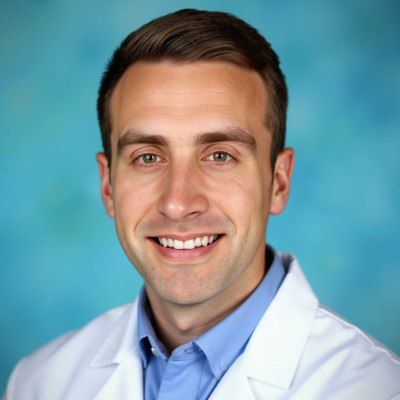
Zachary D. Muench is a third-year medical student at the University of Wisconsin School of Medicine and Public Health and a former emergency medicine physician assistant. He earned his MPAS from Marquette University and completed a postgraduate fellowship in emergency medicine before returning to medical school. Zach is interested in urology and sexual medicine, with academic work focused on surgical outcomes and health equity.
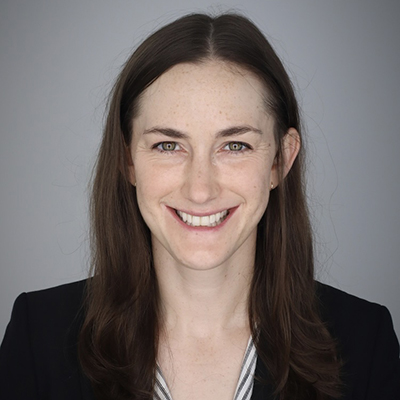
Dr. Kathryn Norman is a Hematology and Medical Oncology clinical fellow at Yale New Haven Health. Her clinical interests lie in gastrointestinal malignancies and supportive oncology, with her research focused on quality of life during cancer treatment and sex differences in oncology care. She is also passionate about medical education and derives great joy from teaching at Yale School of Medicine in the areas of clinical skill development and professional identity formation.
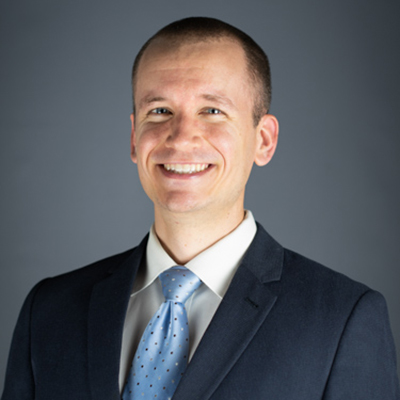
Craig Pearson is a resident physician in the MGH/McLean Adult Psychiatry Residency Program in Boston. A Marshall Scholar, he completed his PhD in Clinical Neurosciences at the University of Cambridge and his MD at Washington University School of Medicine. He also earned an MFA in Creative Writing from Boston University. His work spans neuroscience research, narrative medicine, and the medical humanities. Activities during residency include organizing symposia on the ethics of physician writing and leading haiku workshops for healthcare professionals and patients.
Hannah Rogers was born and raised in Gainesville, Florida. Sheand graduated from the U.S. Air Force Academy with a B.S. in biology and went on to serve five years as an Air Force Intelligence Officer, deploying to Iraq, Kuwait, Qatar, and South Korea. She later transitioned from active duty to the Florida Air National Guard to return home and pursue medical training at the University of Florida College of Medicine. Before attending medical school, she completed a fellowship at the Office of the Surgeon General, which inspired her interest in working at the intersection of government and medicine. Her professional interests include emergency response and medical ethics.
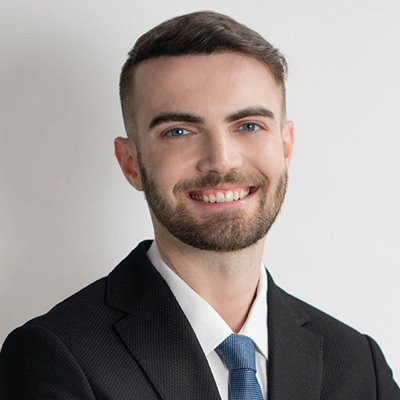
Burak Uzay was born and raised in Turkey, where he began his medical and scientific path. His interest in research started in high school after winning a national competition organized by The Scientific and Technological Research Council of Turkey. He pursued an MD-PhD at Hacettepe University, studying the roots of neurological and psychiatric conditions. His training included multiple internships and collaborations at prestigious institutions including Charité Berlin, Université Claude Bernard Lyon, and Harvard University’s Massachusetts General Hospital. In 2019, he moved to the United States for postdoctoral work at Vanderbilt University in synaptic biology. He is now a research-track psychiatry resident at Icahn School of Medicine at Mount Sinai, passionate about neuromodulation, global mental health, and advocacy.
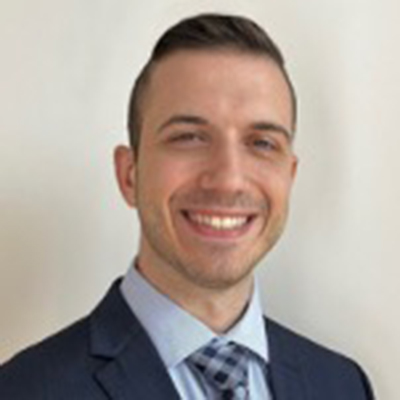
Jake Villanova is from Mahopac, New York. He is a rising fourth-year M.D./M.A.R.-Ethics student at Yale School of Medicine and Yale Divinity School. He did his undergraduate studies at Iona College (B.S., Chemistry) and graduate studies at Liberty University (M.A., Christian Apologetics) and Brown University (Ph.D./M.S., Chemistry/Biomedical Engineering). His Ph.D. research involved designing magnetic nanomaterials for applications in medicine, particularly as MRI contrast agents. He co-founded Yale's chapter of The Hippocratic Society, has led Yale's Health Professional Christian Fellowship, and is part of the M.D. program's Biomedical Ethics Concentration.
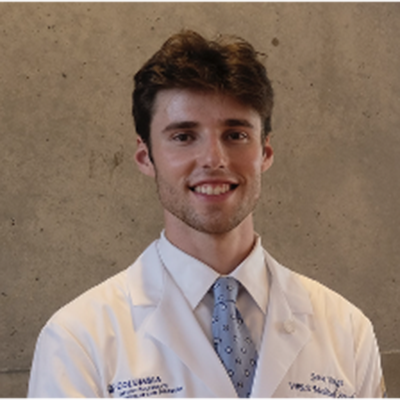
Jesse P. Voigt is a medical student at Columbia University's Vagelos College of Physicians and Surgeons in the Columbia-Bassett program. He earned his B.S. from the University of Michigan, where he studied Movement Science. His scholarly work draws on continental philosophy to examine ethical dimensions of contemporary medical practice, with recent work applying Foucauldian analysis to capacity assessments and Heideggerian critique to the use of AI scribes in clinical settings. He plans to pursue a residency in urology with a commitment to advancing the role of philosophical inquiry in surgical subspecialties.